

Dodge Charger Electronic Throttle Control

Are you a proud proprietor of a Dodge Charger, an automobile renowned for its power and performance? If so, you are probably familiar with the term "Electronic Throttle Control" (or just ETC for short) and its importance in ensuring that your auto performs at its best.
However, even if you have not purchased such a car, it still can be really beneficial to know every facet of Dodge Charger Electronic Throttle Control for your future.
Some of the topics that we are going to discuss now are its operation, potential issues, diagnostic methods, and effective solutions. This information will definitely be useful for you as a driver!
Getting to Know Electronic Throttle Control

Let's begin straight away with the definition of the electronic throttle control system and how it works. It is a pretty important component in modern cars, just like in your Dodge Charger.
It replaces traditional mechanical linkages between the gas pedal and the throttle with an electronic system that interprets your pedal inputs and communicates with the engine control unit.
This electronic wizardry fine-tunes the engine's performance, optimizing fuel efficiency, power delivery, and of course safety. Now we suggest that you look at the list of some of the benefits of electronic throttle control.
The Power of ETC
Basically, one of the fundamental advantages of the electronic throttle control system is its ability to cover various aspects of your driving needs.
Fuel Efficiency
First of all, Electronic Throttle Control can greatly improve your car's fuel economy. By precisely regulating the amount of fuel injected into the engine, it ensures your Dodge Charger sips gas efficiently.
Enhanced Performance
We may assume that you are a great performance enthusiast who loves the thrill of the open road. Is that true? ETC has you fully covered! It regulates the flow of air into the engine, optimizing power and torque, resulting in a smoother and more exhilarating drive.
Safety Comes First
Safety should always be a top priority when driving. We hope this statement does not need any explanation. ETC plays a pivotal role in preventing engine stalling, a potentially dangerous scenario, especially while you are on the move. A smoothly running engine can make all the difference.
Indications of Trouble

It is really unfortunate, but even the most advanced systems can encounter issues from time to time. When it comes to your Dodge Charger's ETC, certain symptoms can indicate a problem. Here are a couple of them:
Unresponsive Throttle
Firstly, an absence of response when you press the gas pedal can be a telltale sign of ETC trouble.
Engine Stalling
Secondly, does your Charger's engine occasionally stall or idle roughly? Because this also could be an ETC-related issue.
Warning Lights
Thirdly, you always must keep an eye out for dashboard warning lights, particularly the ETC symbol resembling a lightning bolt. When it lights up, there is likely a problem with the system.
Diagnosing ETC Issues

If you suspect any Electronic Throttle Control issues in your Dodge Charger, diagnosing the problem is always the first step towards a solution. Here is a systematic approach to understanding and addressing your concerns that may fix some of the problems later:
Observe Symptoms
Okay, in the beginning, you have to pay close attention to the behavior of your automobile. Are you experiencing some unresponsiveness or stalling?
Of course, such observations can provide valuable insights into the issue. So look at your car carefully to realize if something is wrong.
Shop From Amazon


Check Error Codes
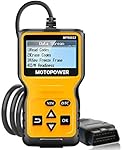
Current vehicles are equipped with onboard computers that store error codes when a problem is detected. Use an OBD-II scanner to retrieve these codes and gain a clearer understanding of the issue. These alphanumeric codes can be your guide to pinpointing the problem.
Inspect Wiring and Connections
It is not a secret that wiring and connections are a crucial part of the ETC system. Try to visually examine the wiring harnesses and connectors for damage, such as frayed wires or loose connections. Confirming that all connections are secure is vital for the system to function correctly.
Clean the Throttle Body

Well, carbon deposits can accumulate inside the throttle body over time, hindering its operation. A throttle body cleaner and some elbow grease can help you remove these deposits! So, do not neglect this advice!
Reset the ETC System
Sometimes, a system reset can eliminate temporary glitches or malfunctions. To do this, disconnect the negative terminal of the battery for at least twenty minutes. This will reset the system's memory and potentially resolve the issue. Just like that!
Throttle Position Sensor Replacement
We are moving on to the next step. The throttle position sensor measures the position of the throttle plate and sends signals to the ECU. A malfunctioning sensor can lead to erratic throttle responses or engine performance problems and will require replacement as a result.
Shop From Amazon


ETC Assembly Replacement
If all other components and connections have been ruled out as the cause, replacing the entire ETC assembly may be the most effective solution. Nonetheless, this is a complex procedure best left to professionals.
Accelerator Pedal Position Sensor Replacement

The accelerator pedal position sensor detects the position of the accelerator pedal. If it's not functioning correctly, it can lead to inaccurate throttle control, and you may need to buy a new sensor as well.
Get Professional Help When Necessary
Finally, after exhaustively troubleshooting your Dodge Charger's ETC system and the problem persists, it may be time to seek some professional help.
Trained technicians possess the expertise and tools required to accurately diagnose and repair ETC issues. They are always ready to help you with your car. Choosing the right professionals ensures that your vehicle's electronic throttle control system receives the attention it deserves!
Since we have covered all the necessary information about the Electronic Throttle Control, you now have a better understanding of it!


